







Overview
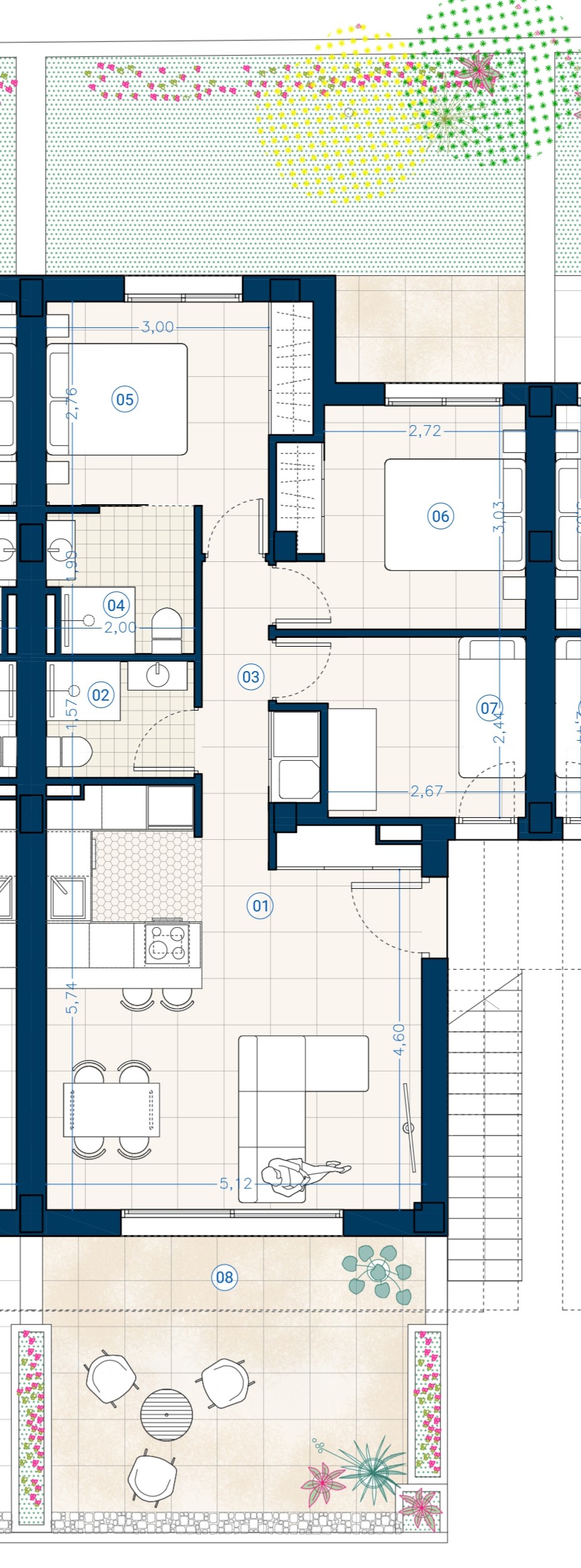
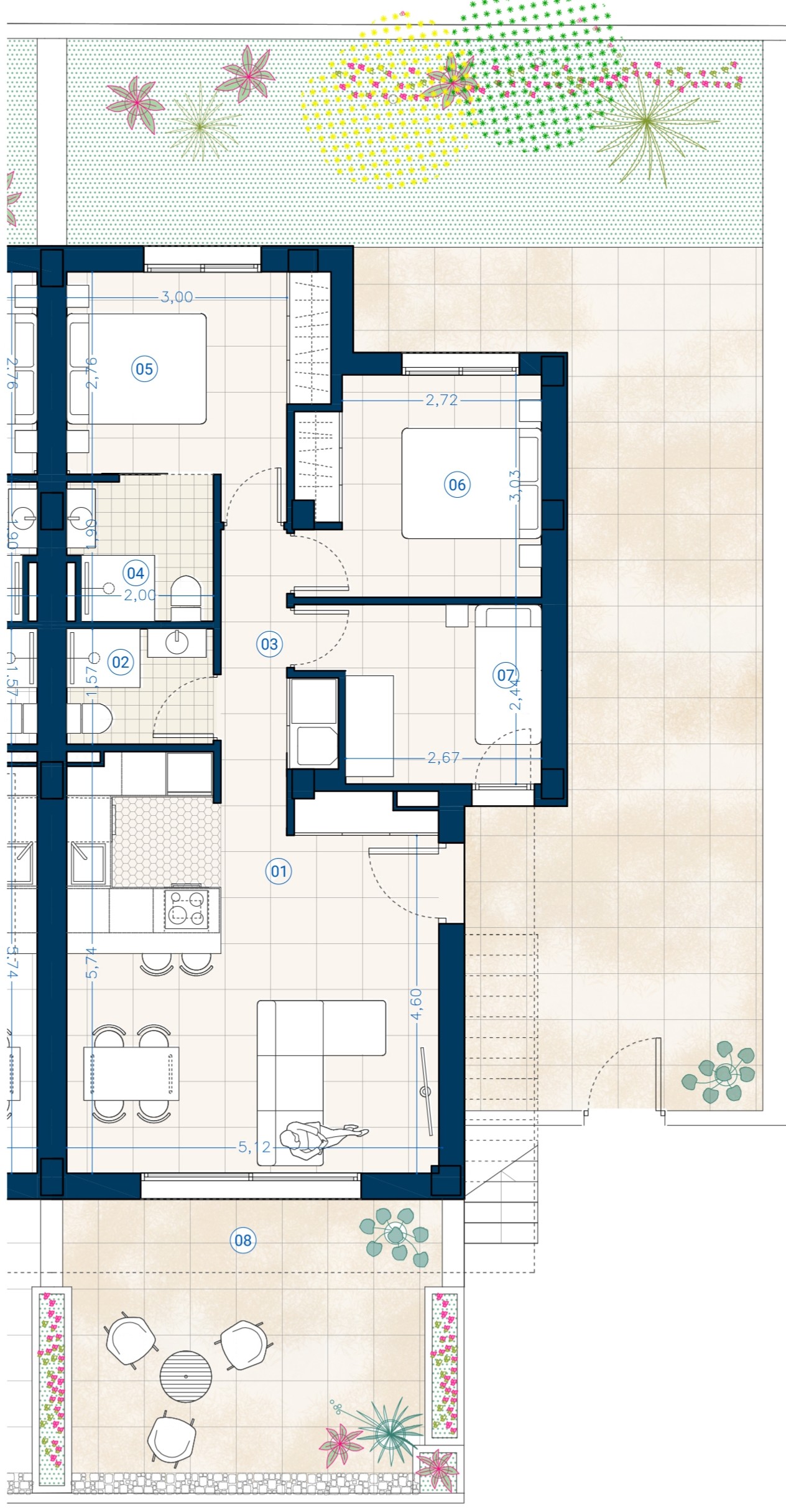
- 3 Bedrooms
- 2 Bathrooms
- 82.00 m2
Property Description
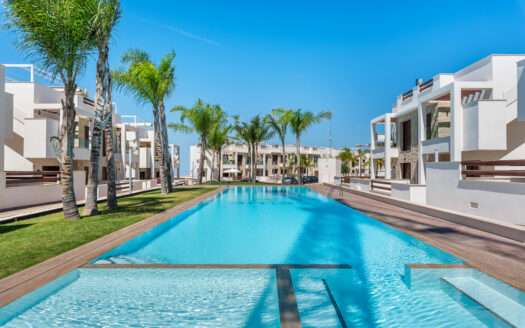
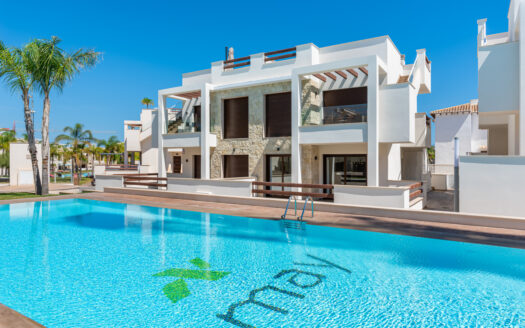
IN AN ever-popular location, these last three remaining key-ready homes perfectly-placed for beaches, motorway, shopping centres and even the hospital.
THE LOCATION
📌 Playa del Cura West (nearest beach): 6 min
📌 Torrevieja University Hospital: 6 min
📌 La Zenia Shopping Boulevard: 8 min
📌 Habaneras Shopping Centre: 9 min
📌 Torrevieja Marina: 10 min
📌 Plaza de la Constitution, Torrevieja: 12 min
📌 Campoamor Golf Resort: 16 min
📌 Alicante Airport: 39 min
THE HOMES
All apartments have the following features:
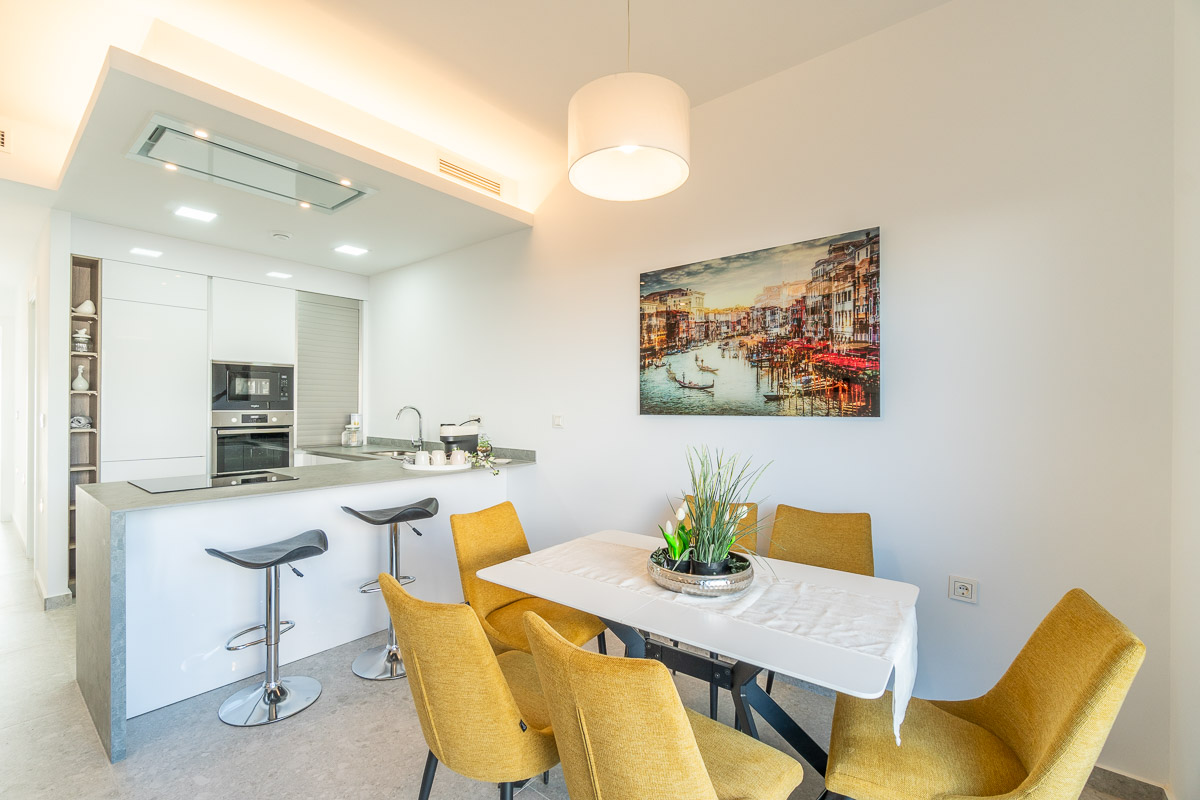
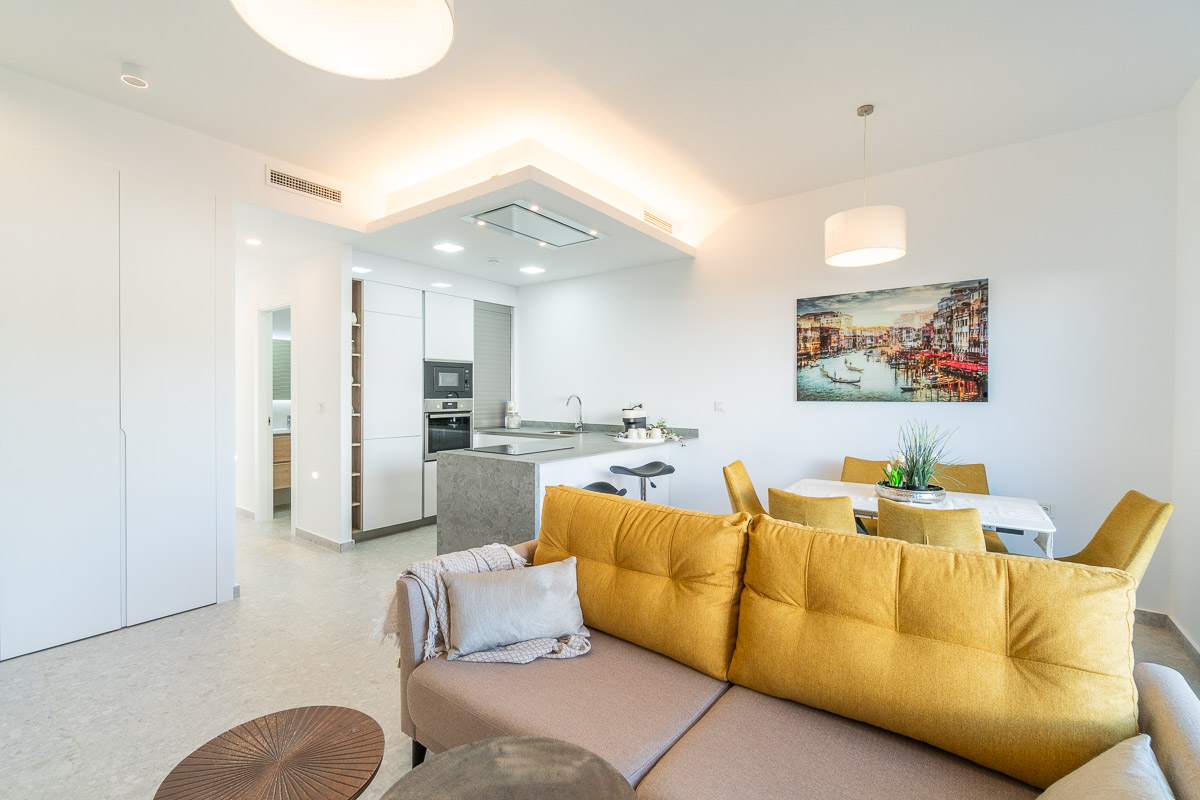
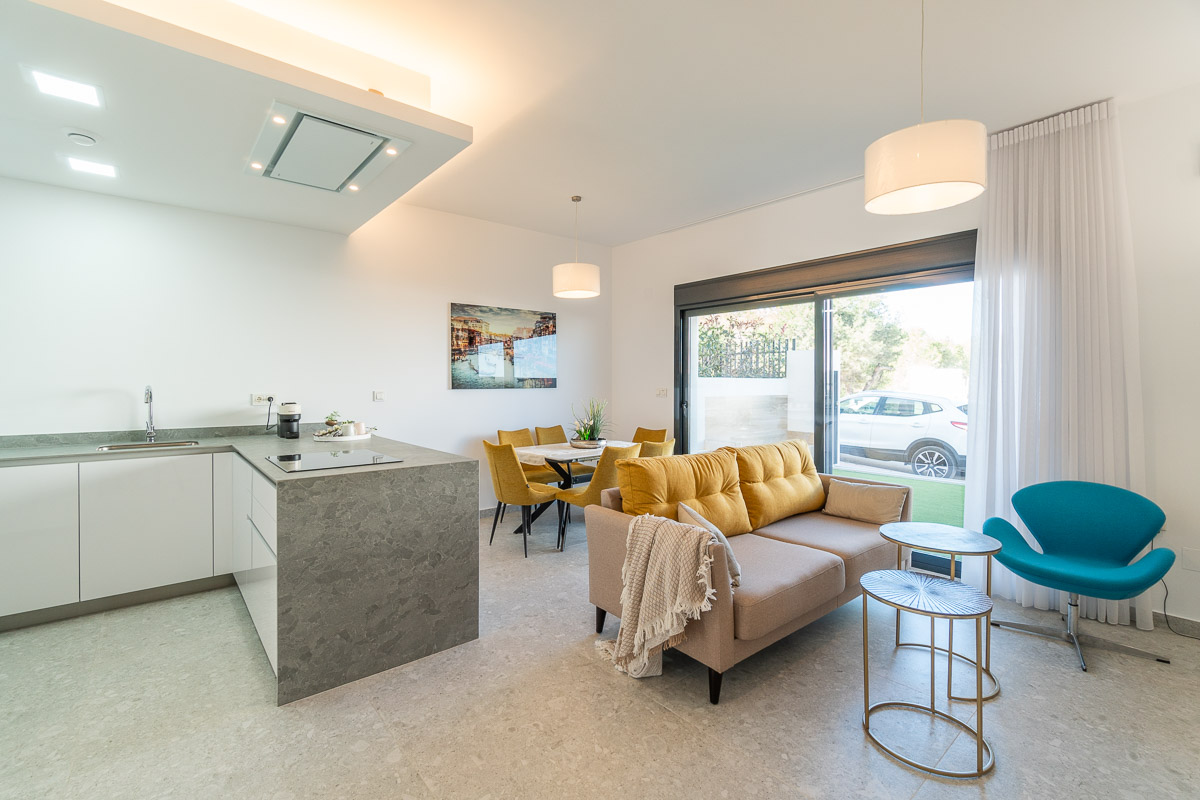
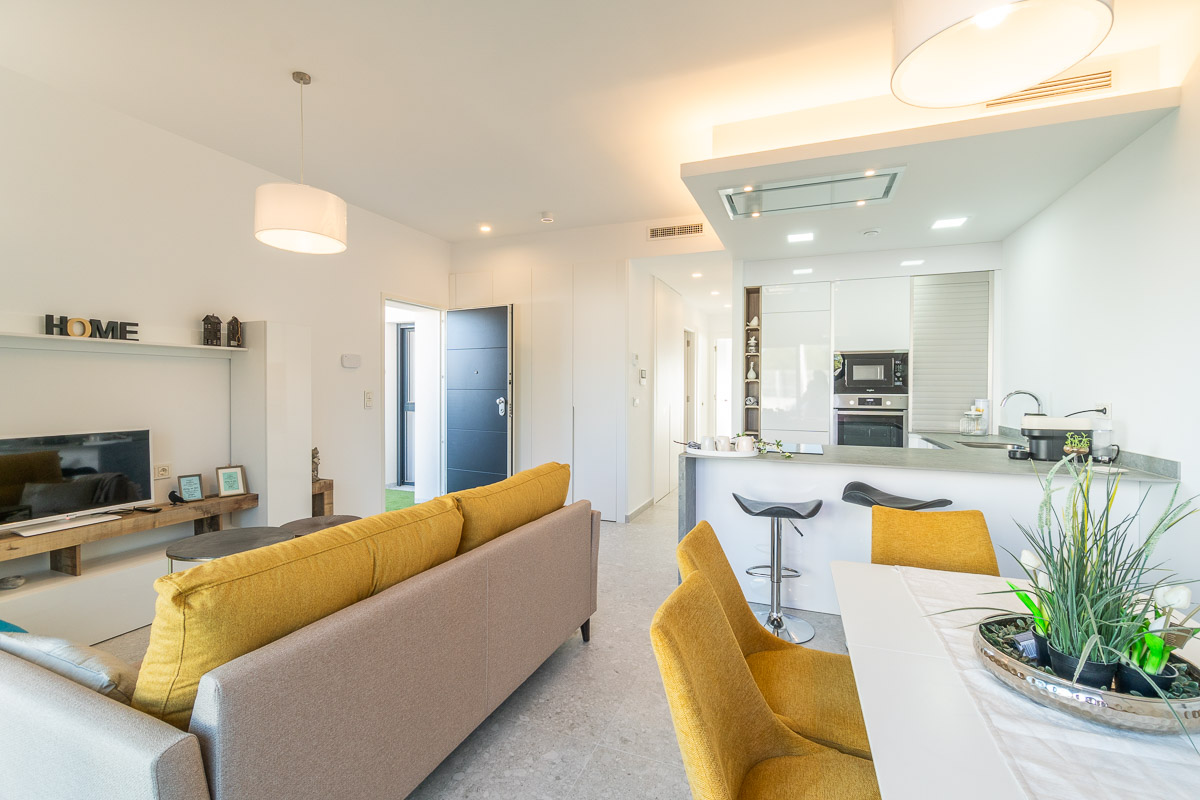
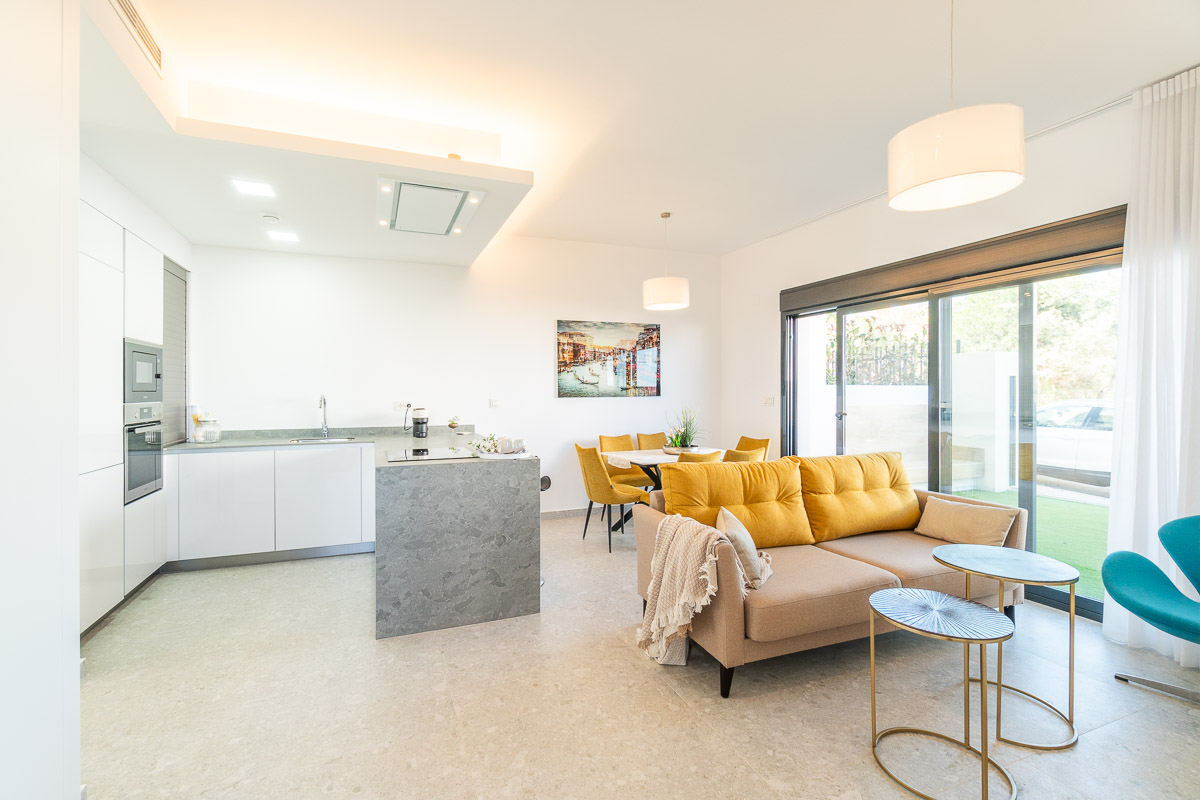
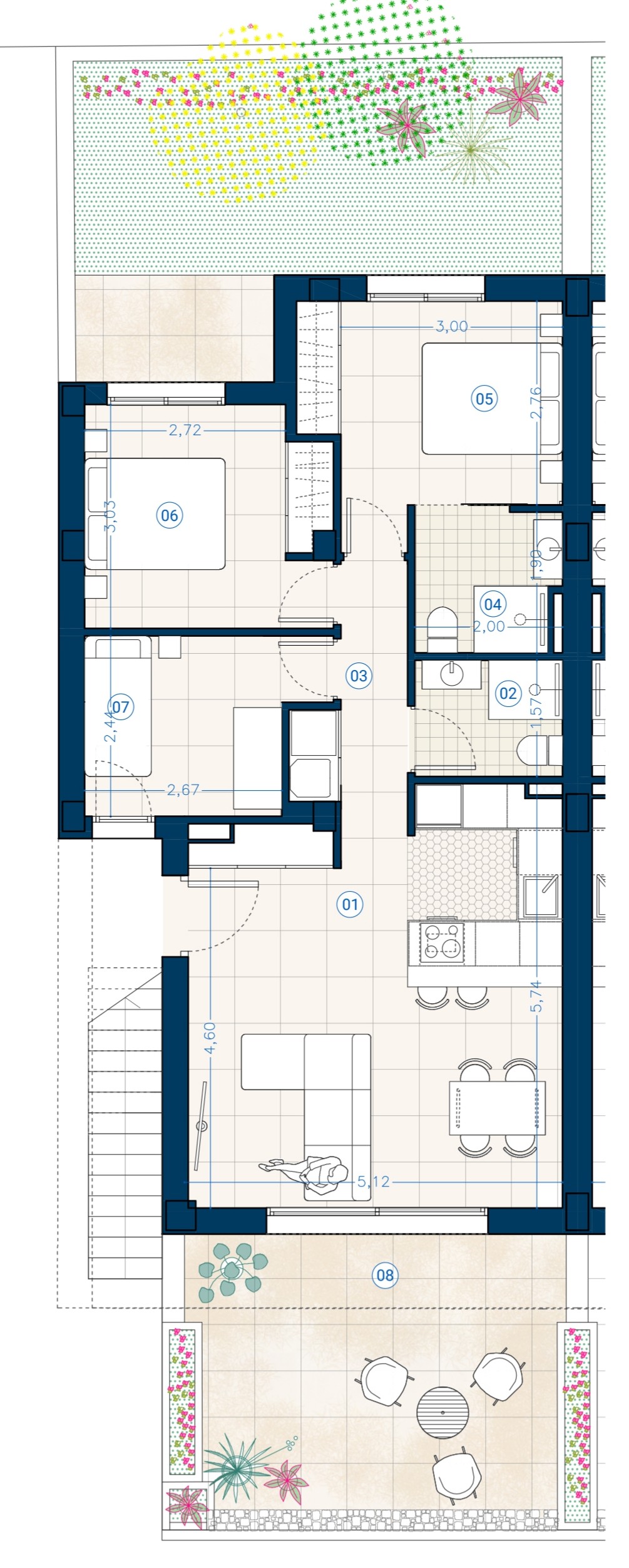
✅ Spacious open-plan lounge-dining area, access to charming private terrace
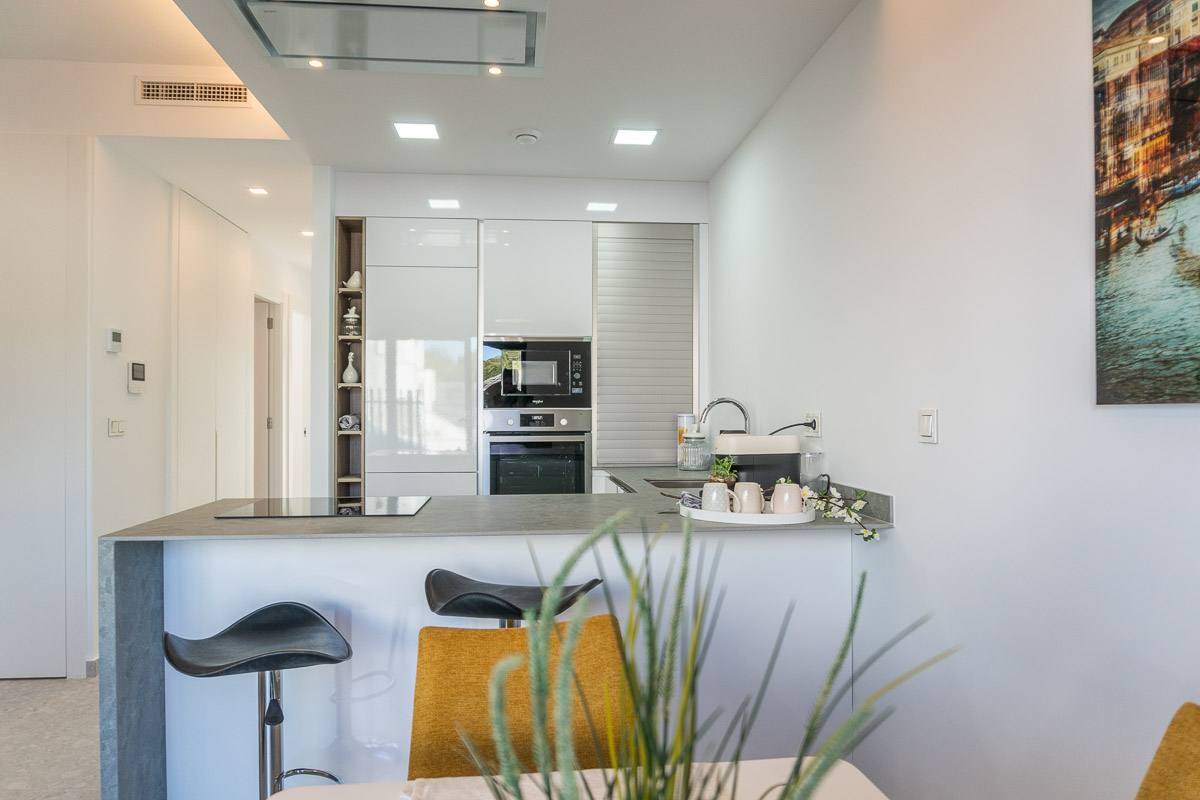
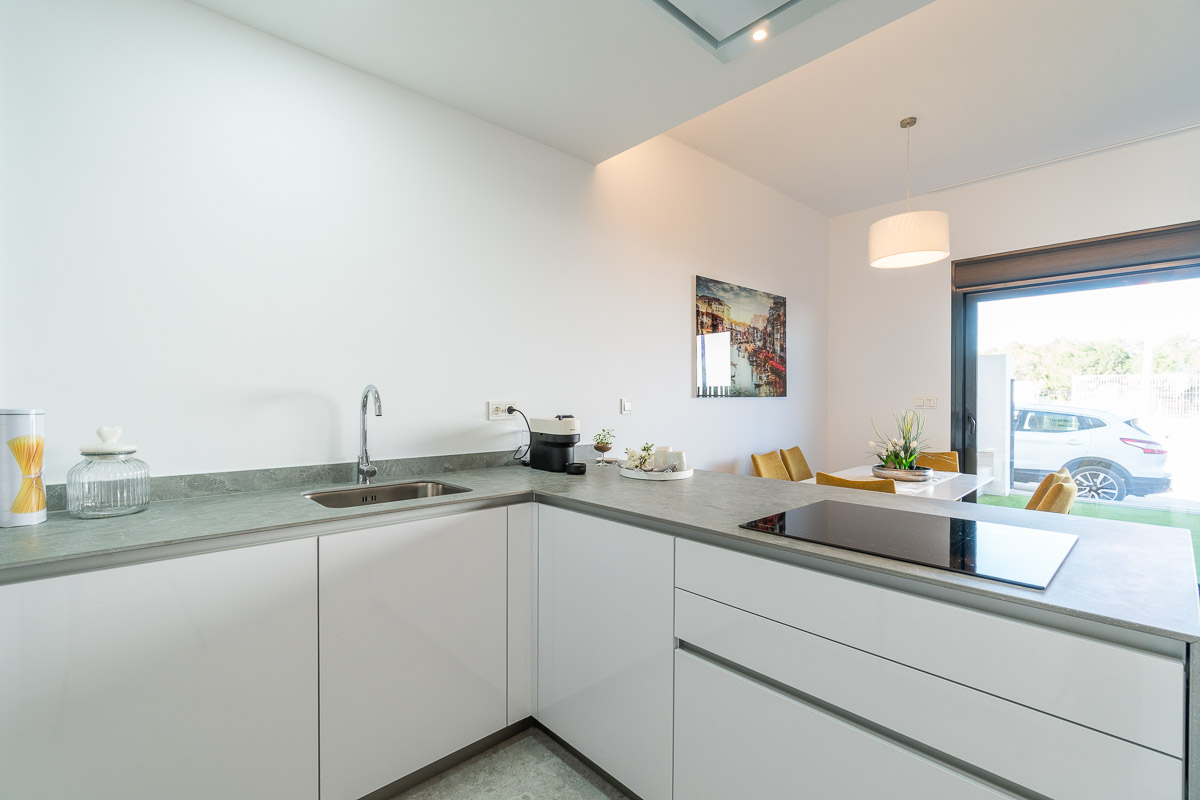
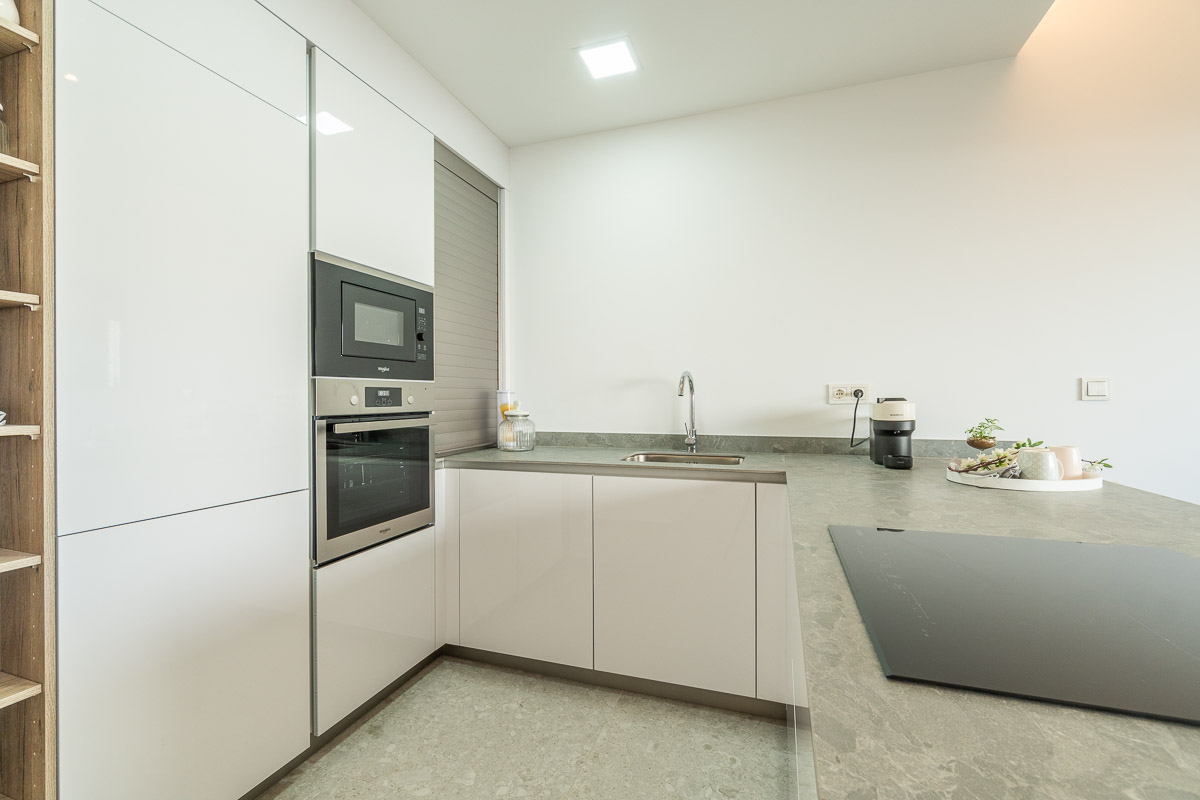
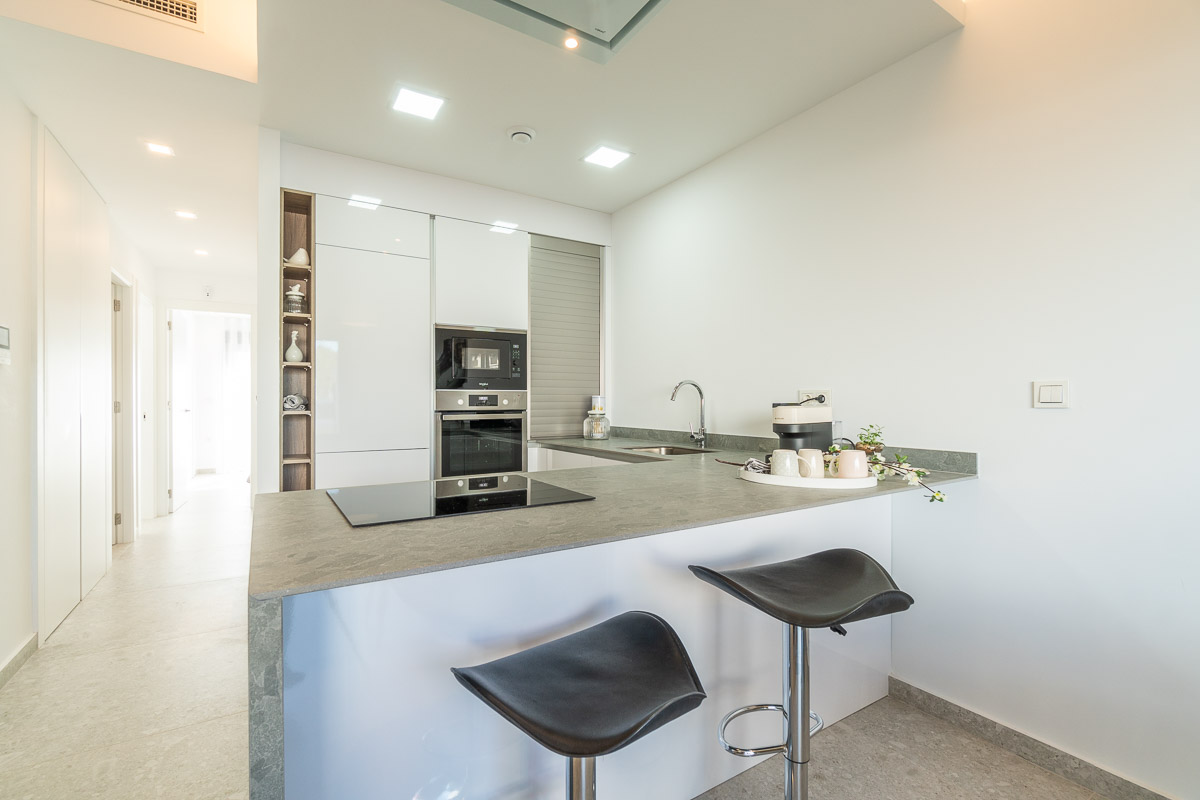
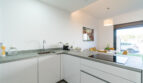
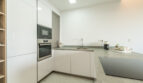
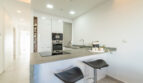
✅ Fully-fitted kitchen with appliances and stylish breakfast bar
✅ Handy storage beside centrally-located main door
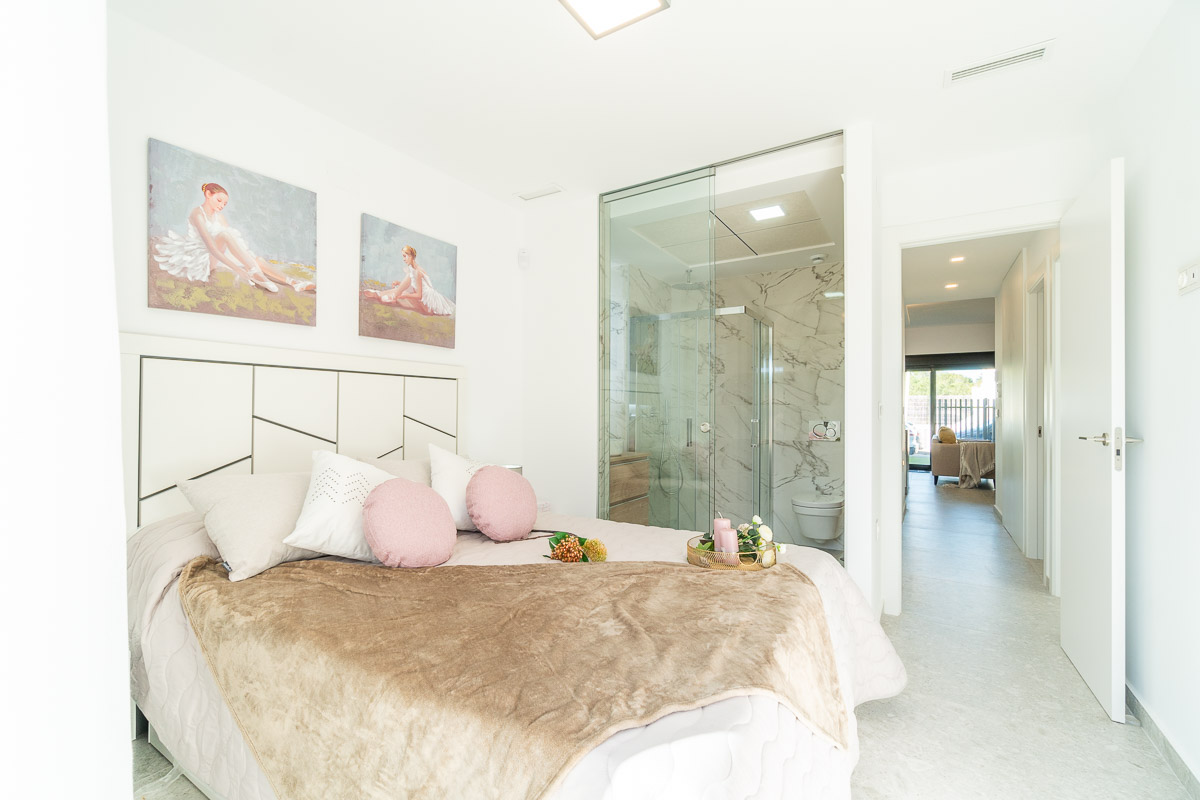
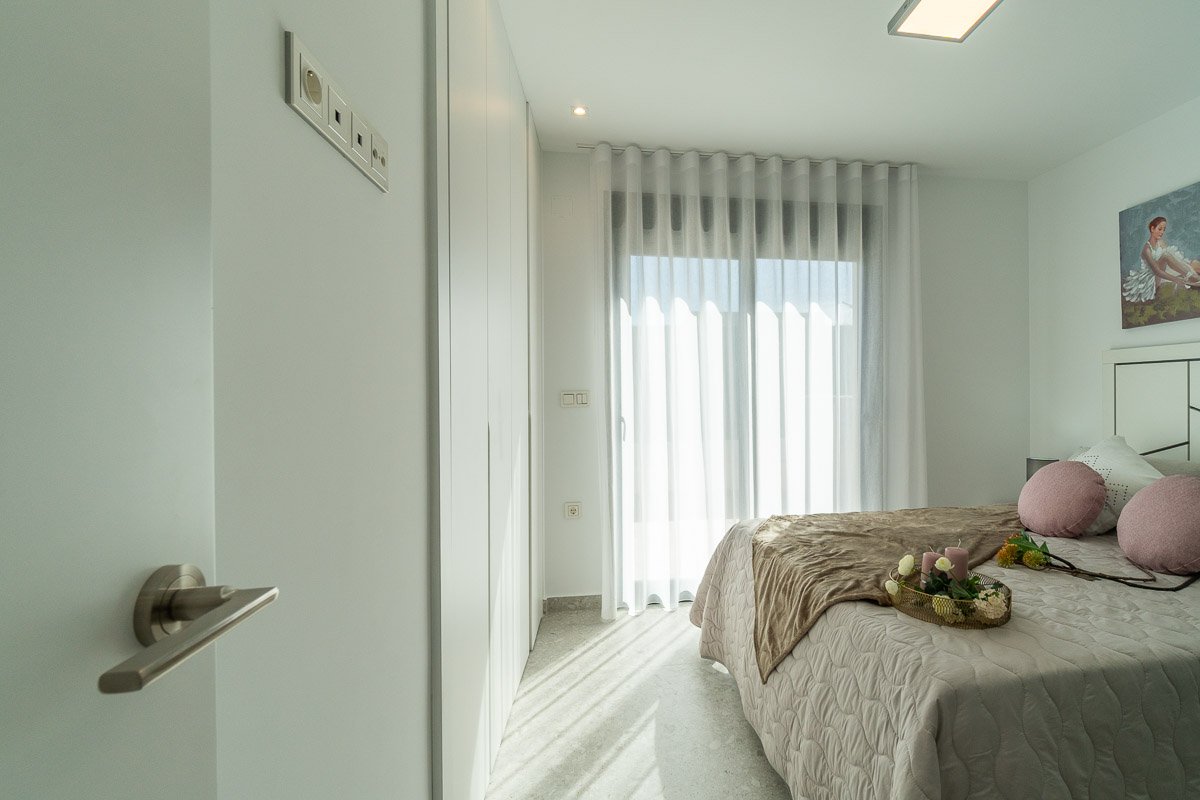
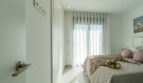
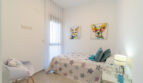
✅ Main en-suite bedroom with fitted wardrobes
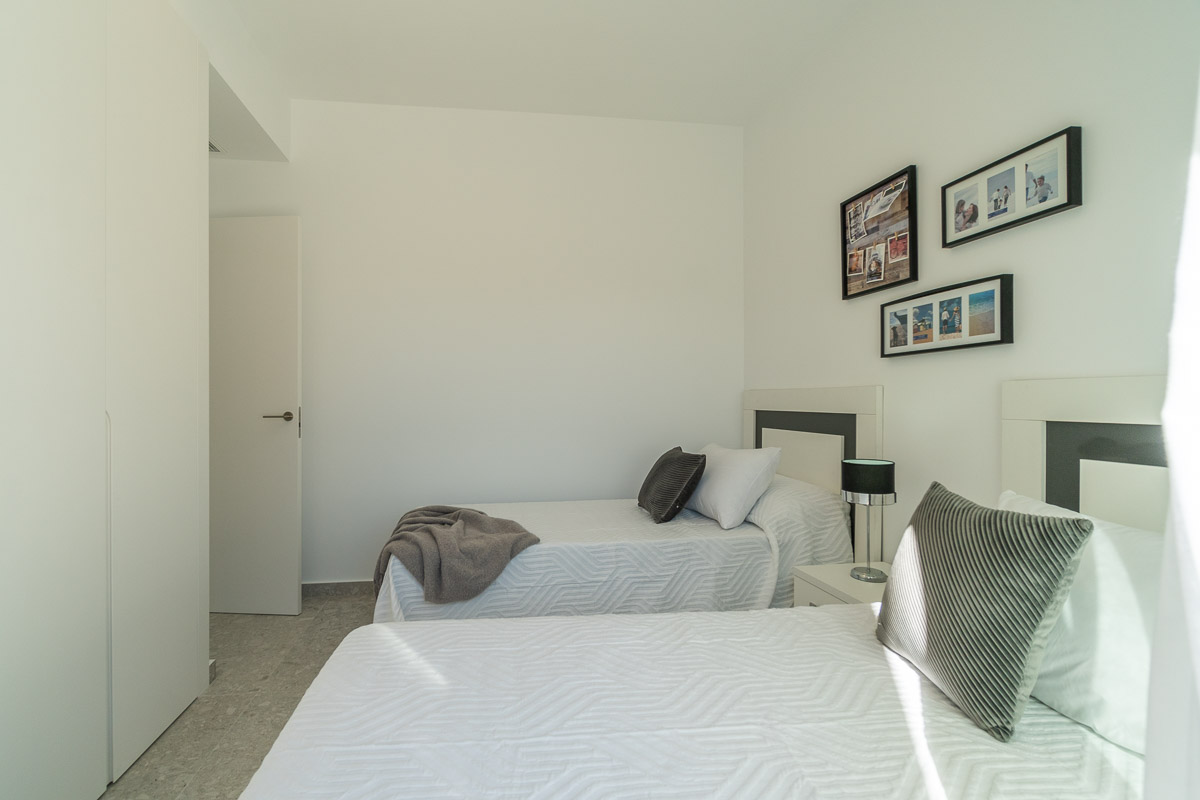
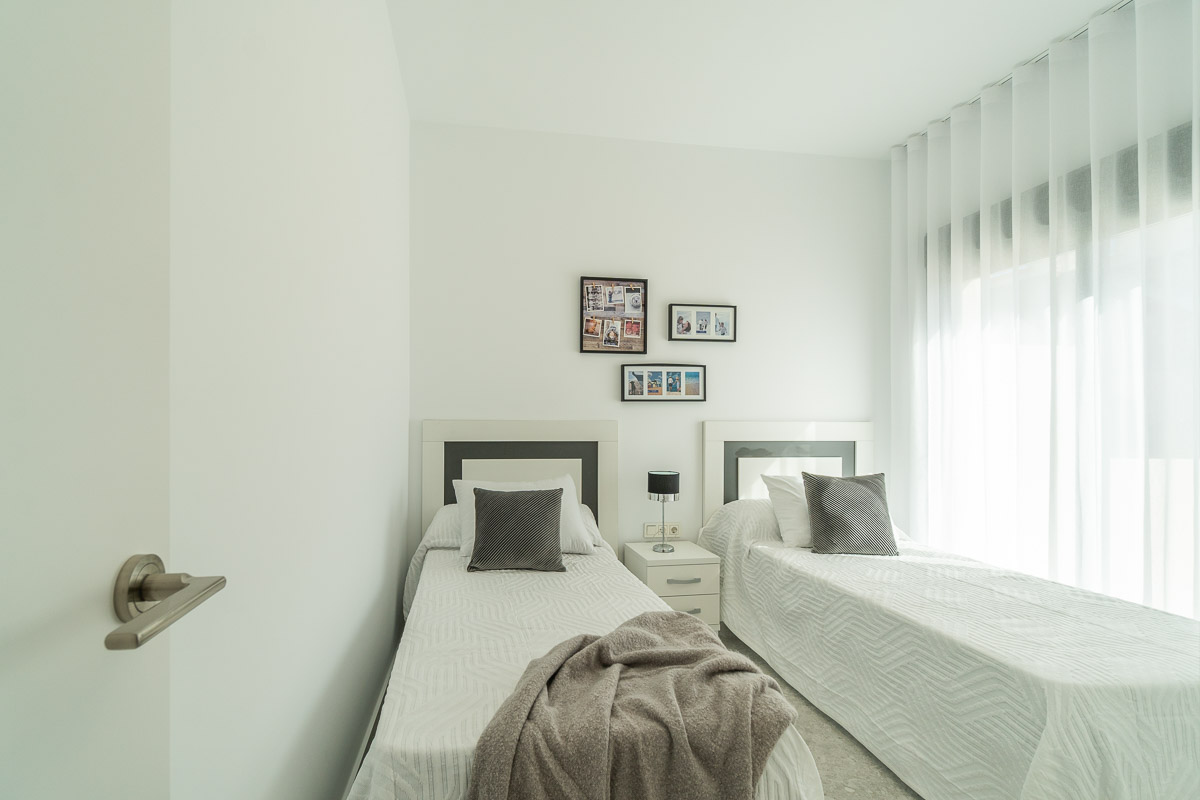
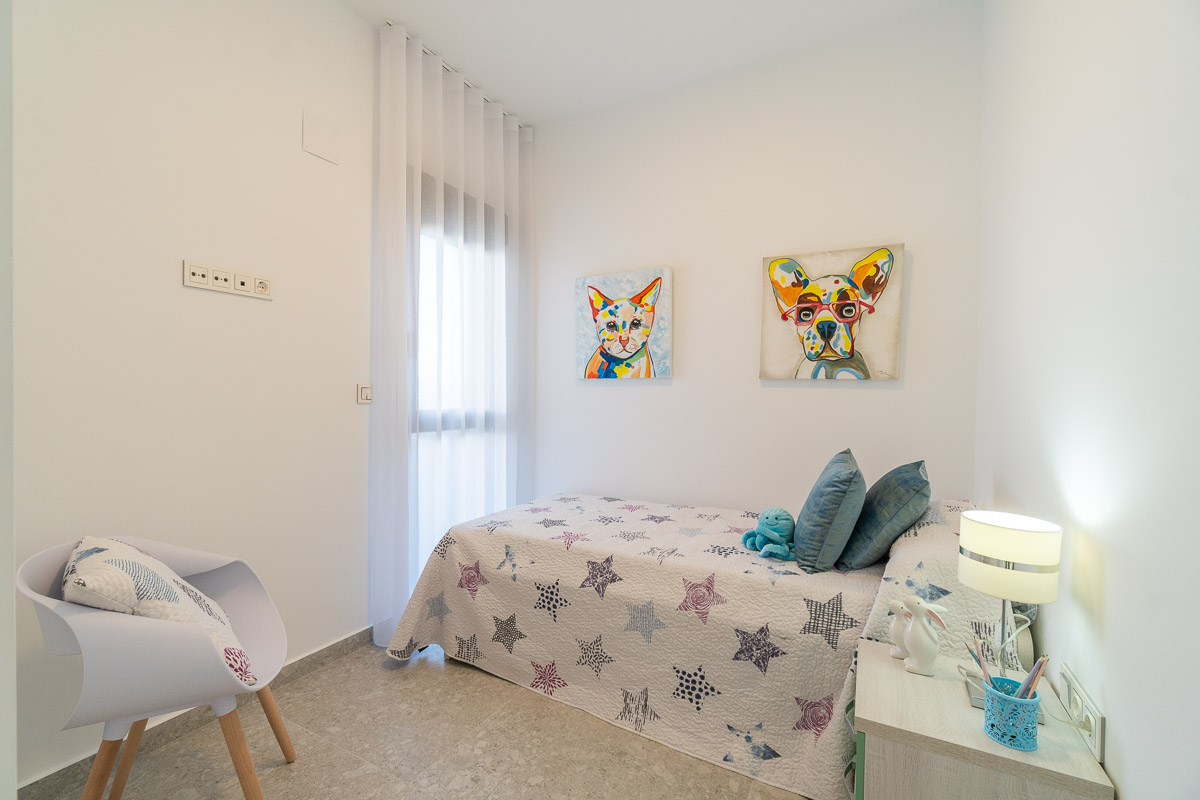
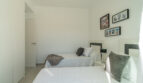
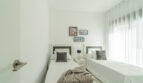
✅ Both guest bedrooms have fitted wardrobes
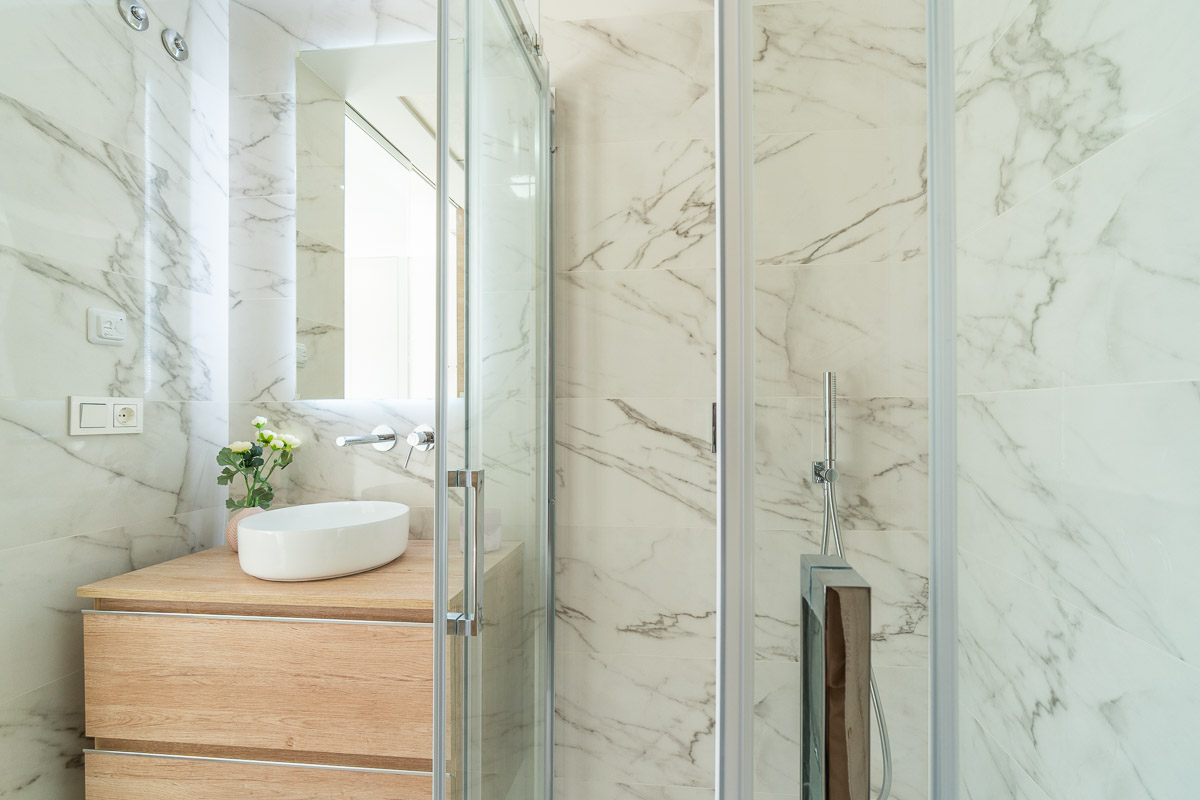
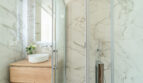
✅ Underfloor heating in bathrooms
✅ Furniture package & lighting included
✅ Electric blinds, curtains & Air Conditioning fitted
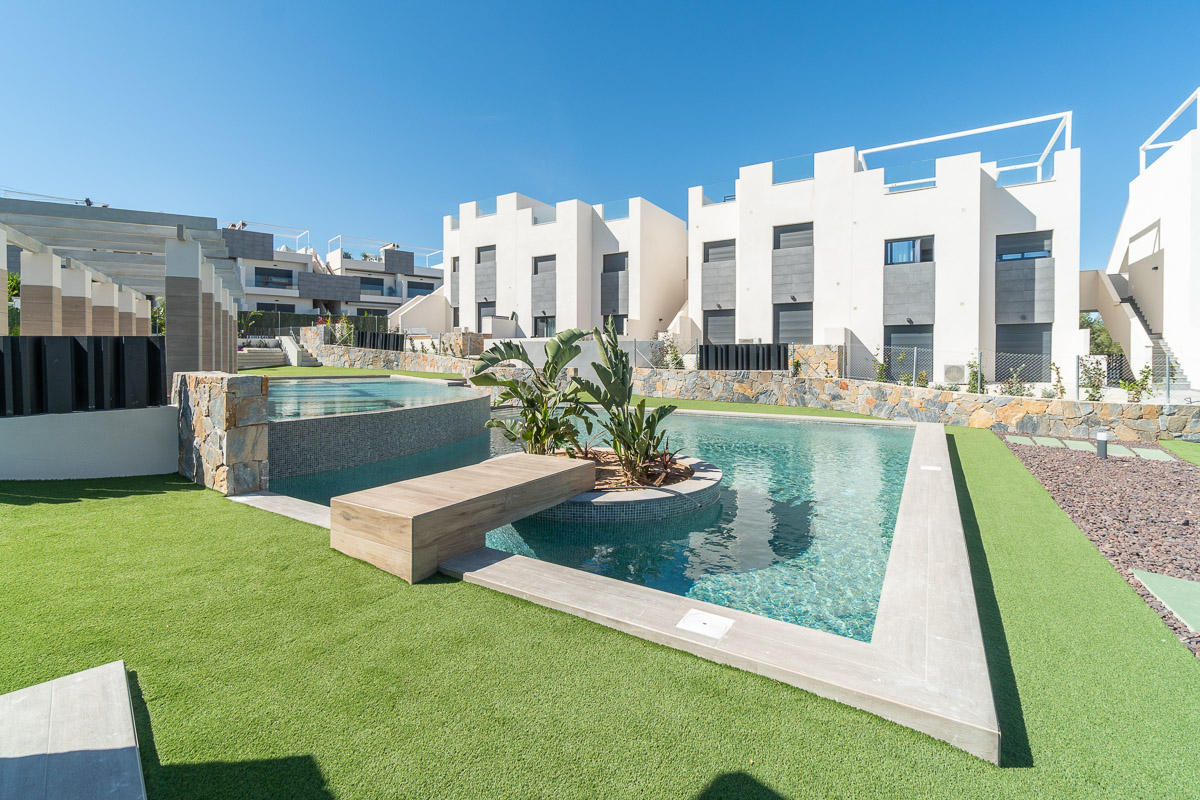
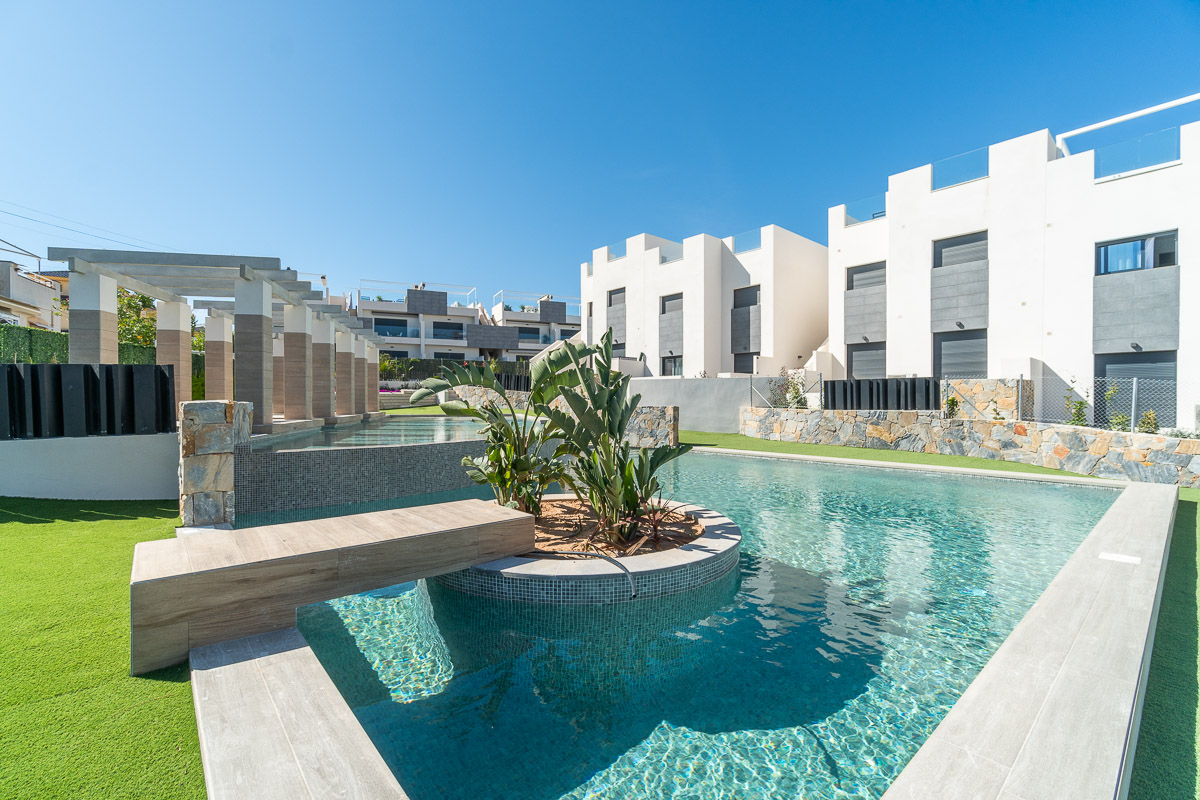
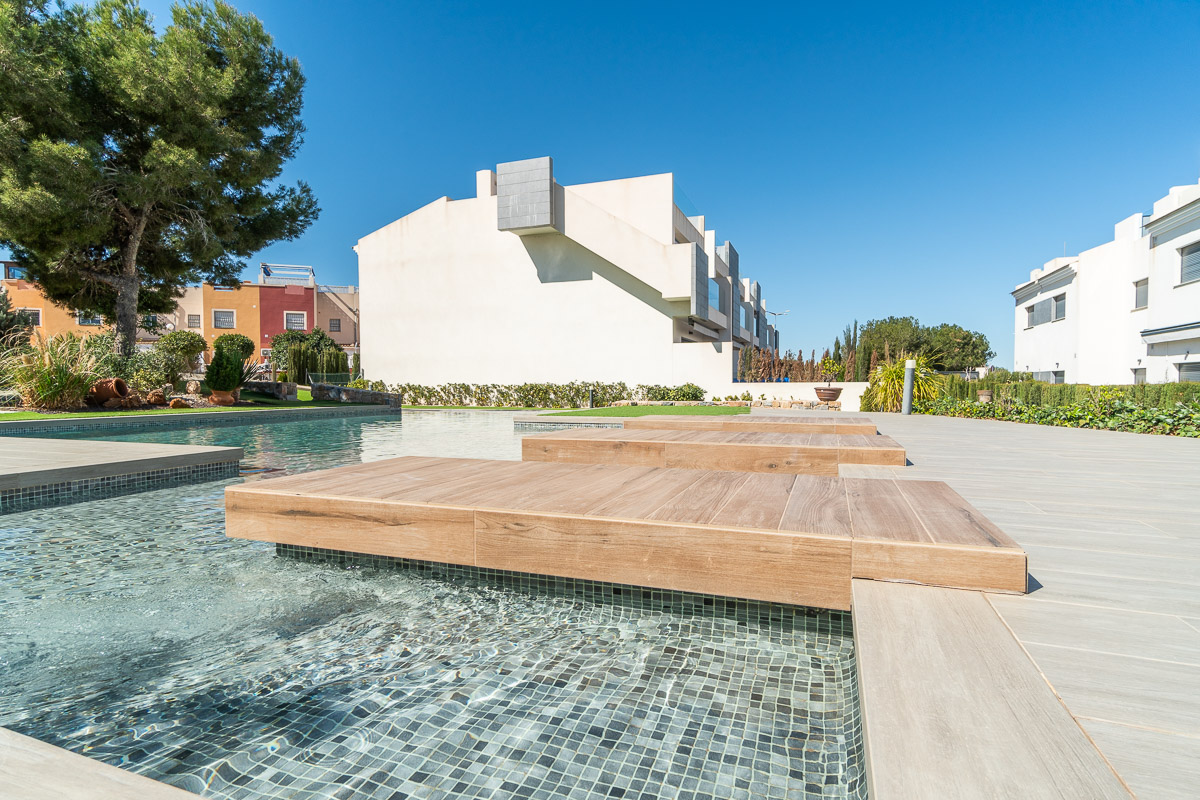
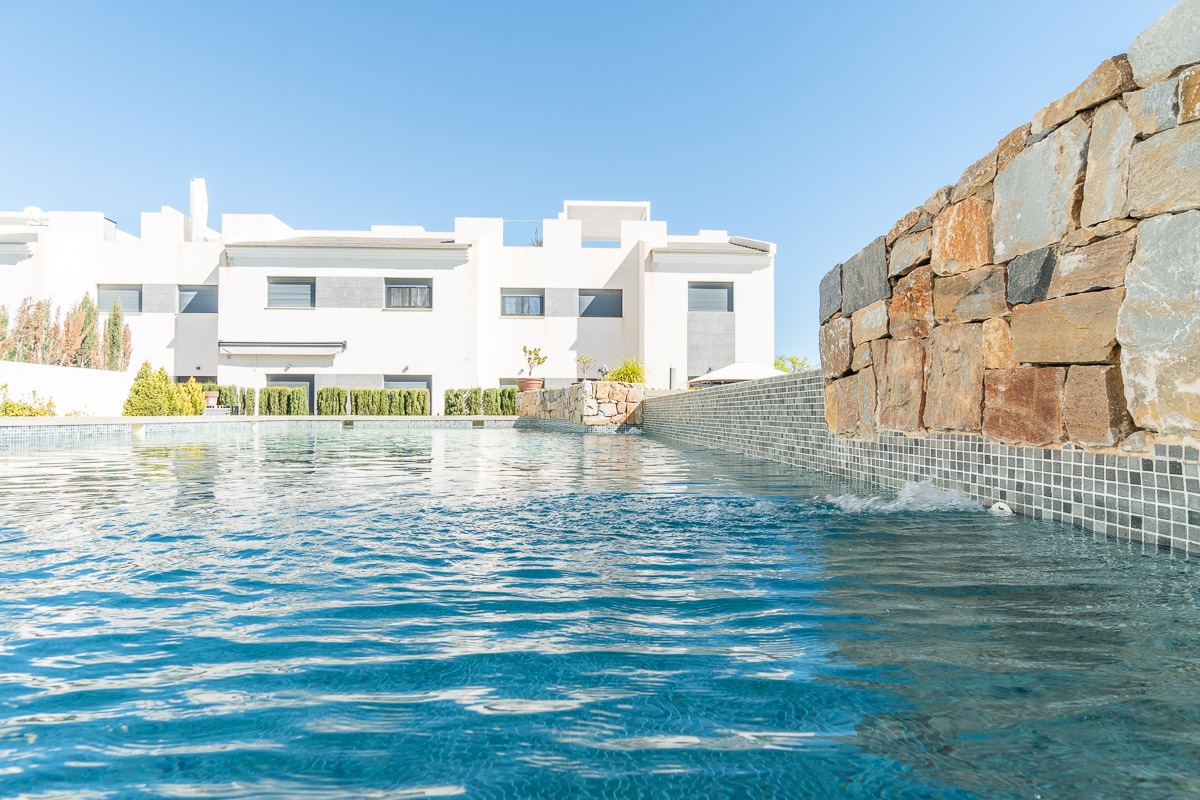
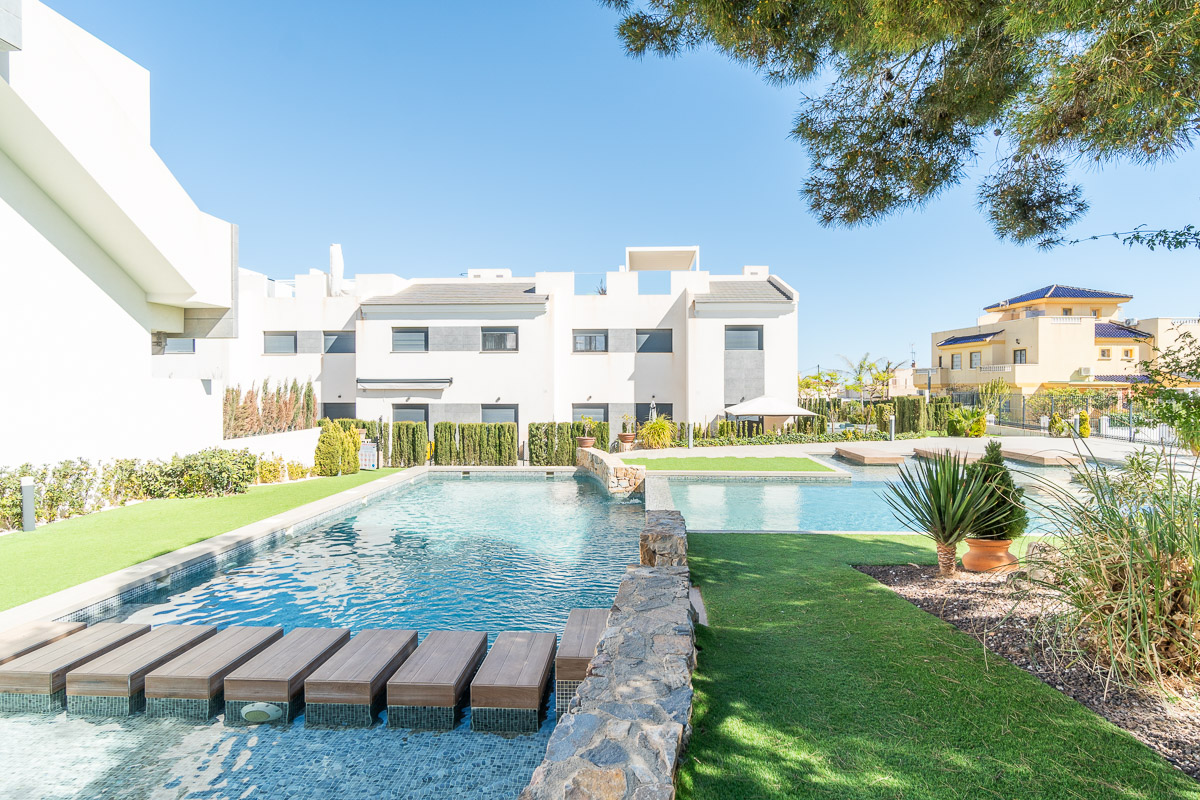
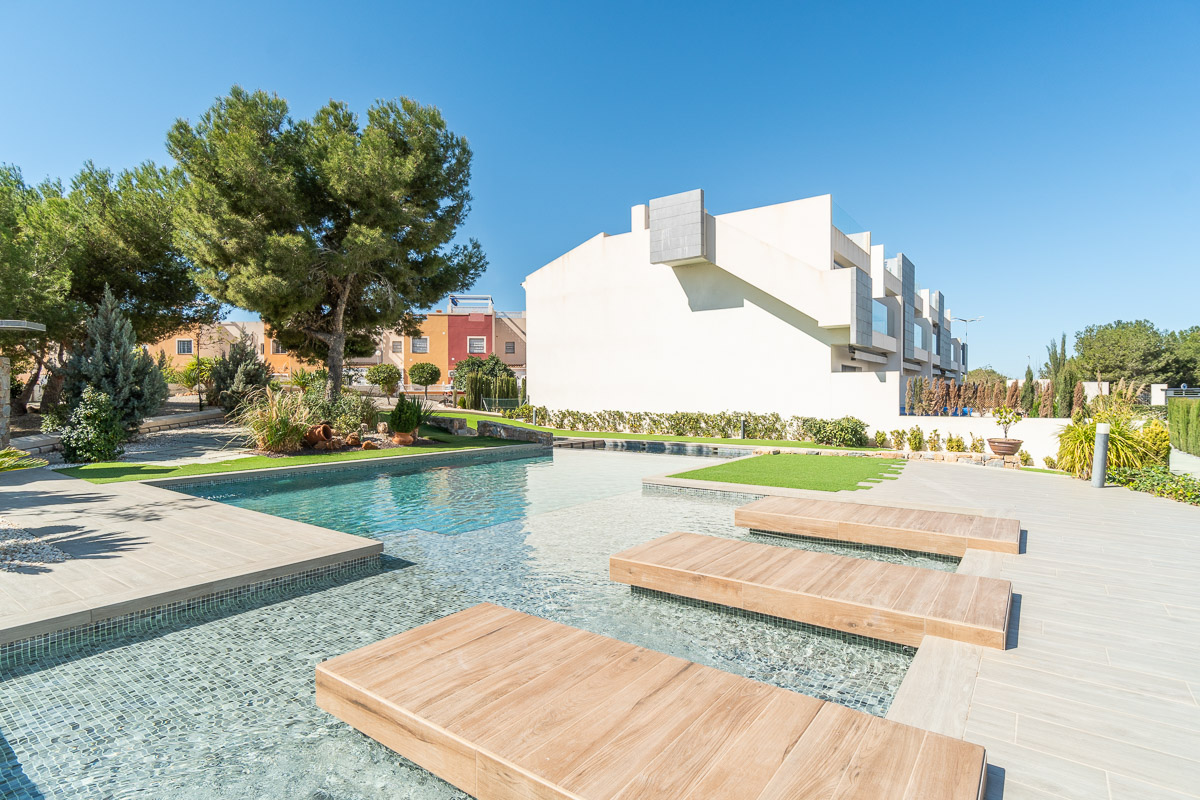
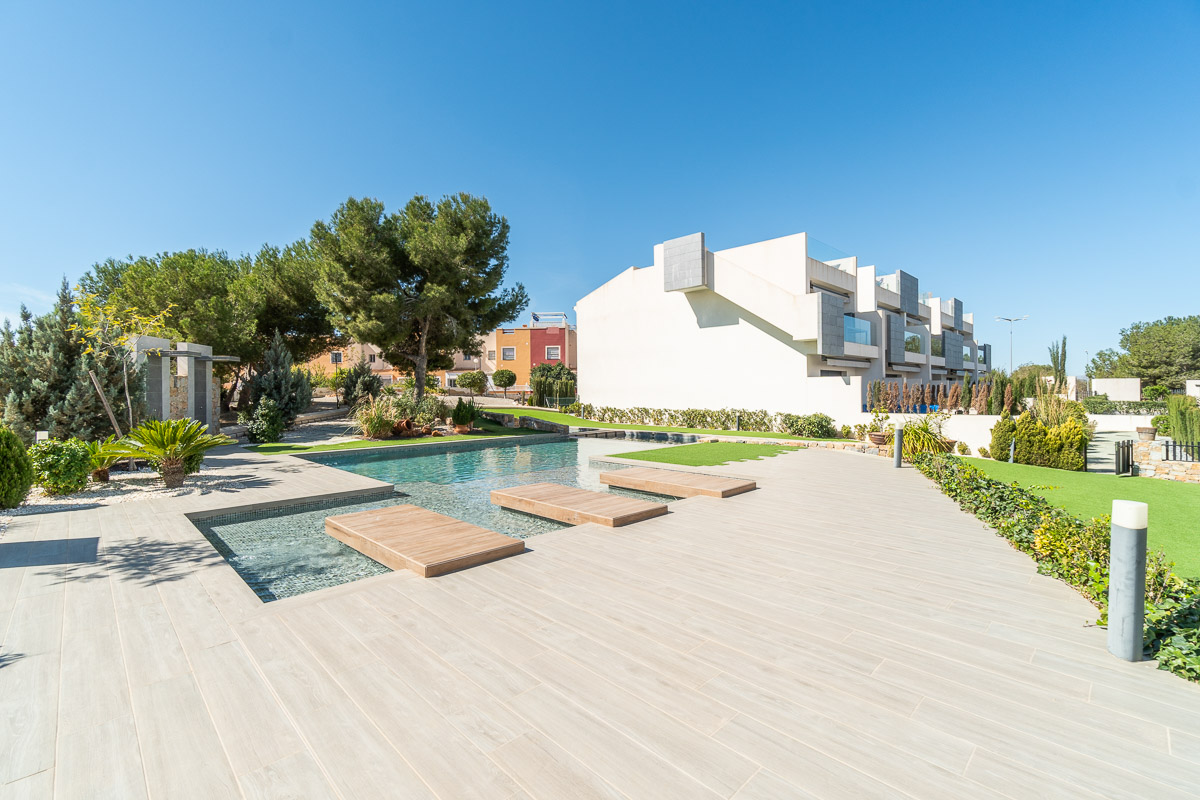
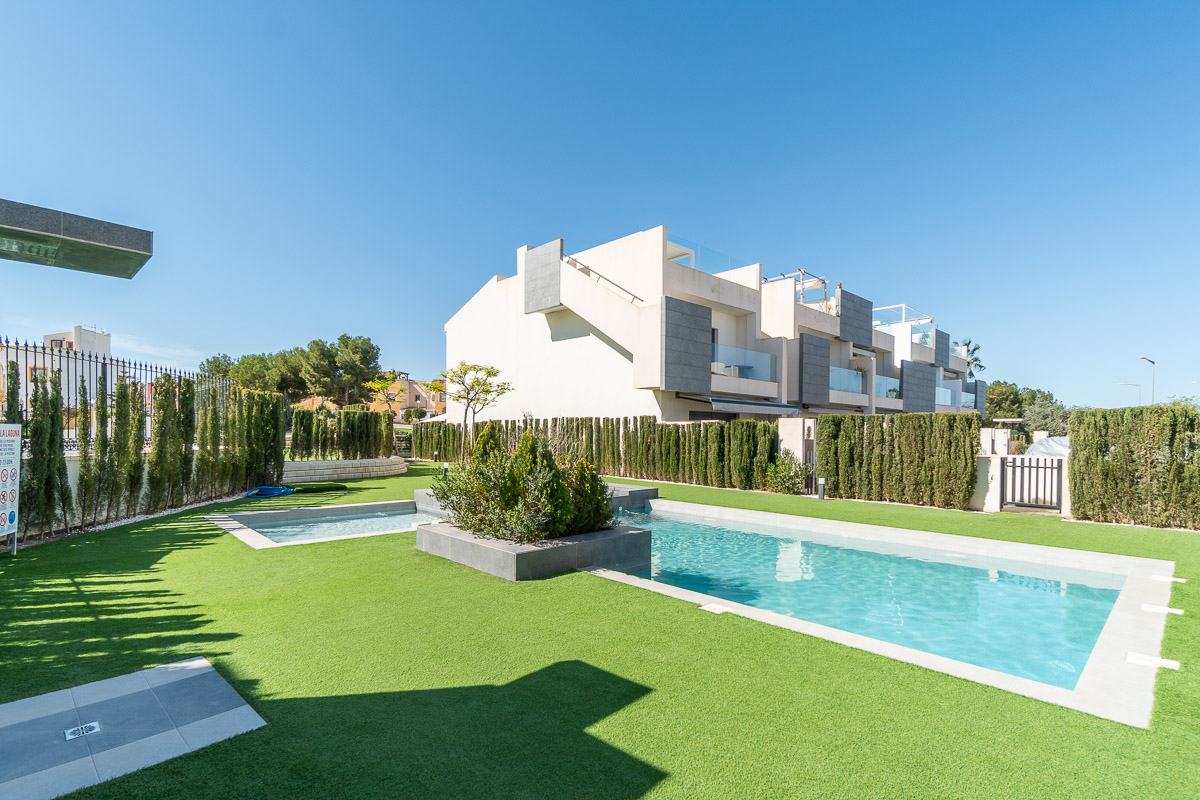
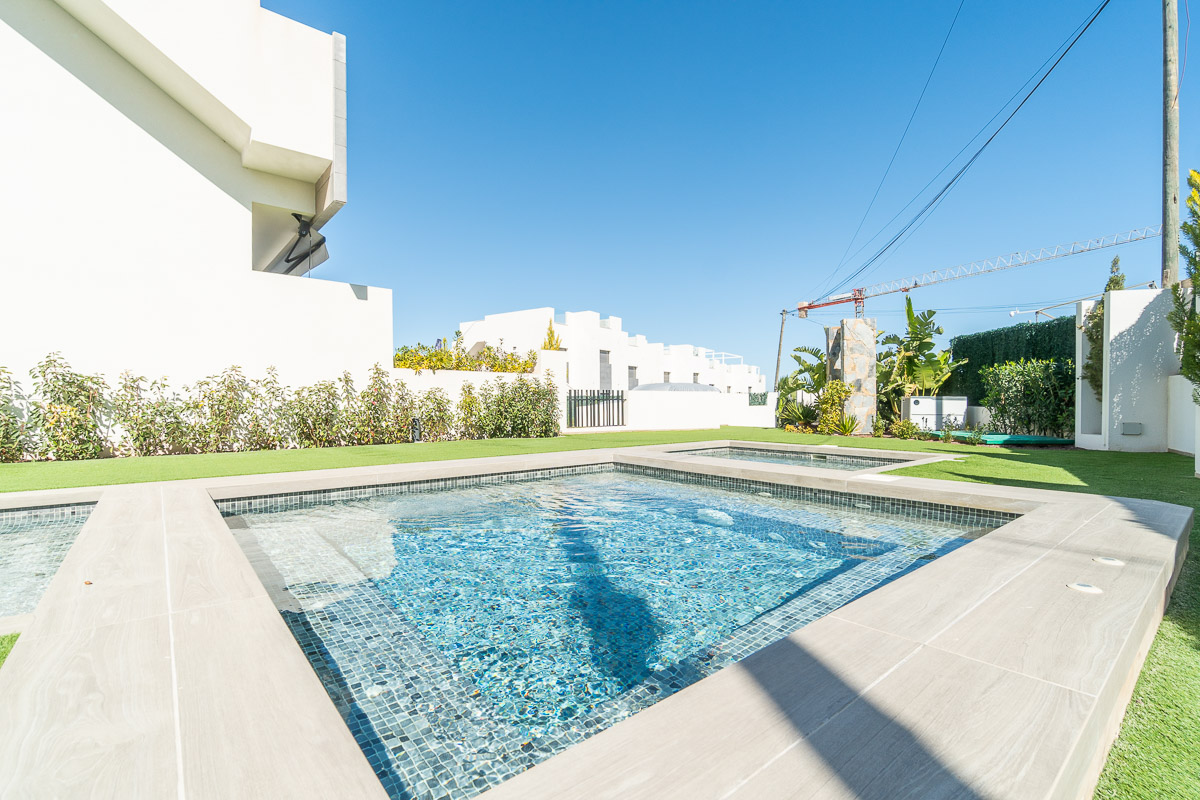
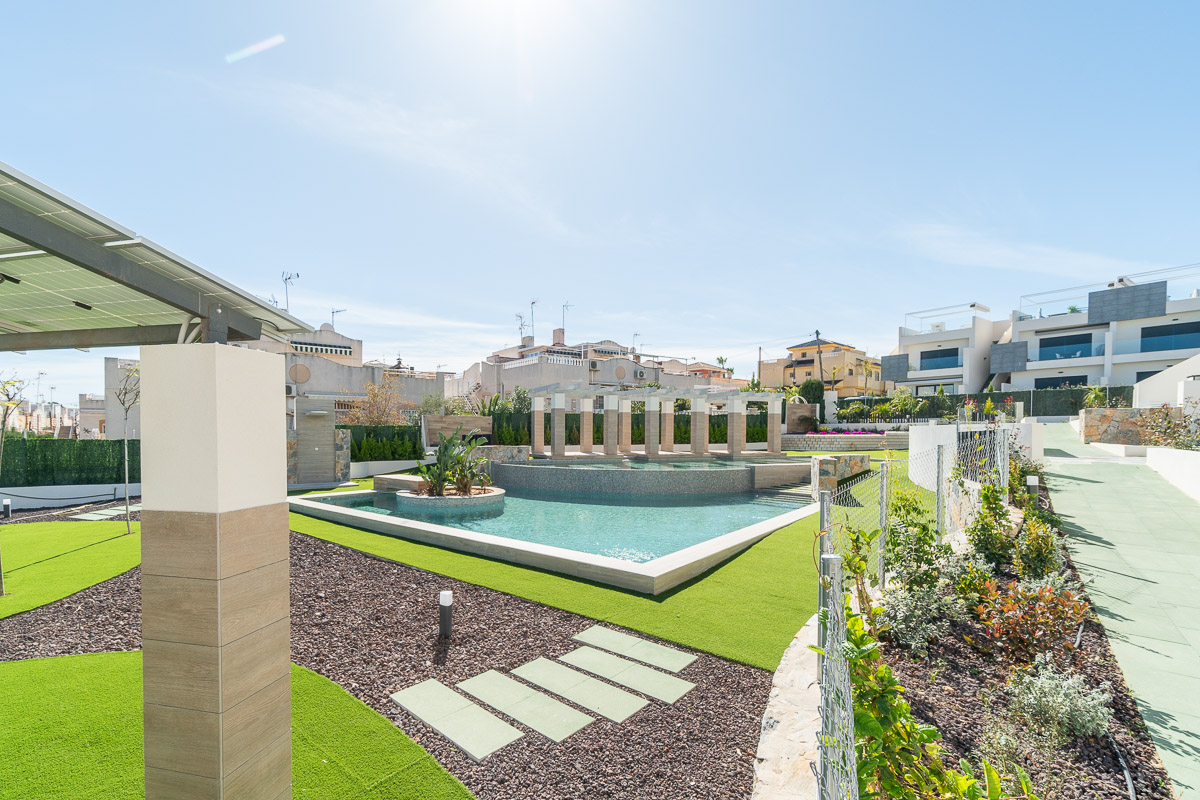
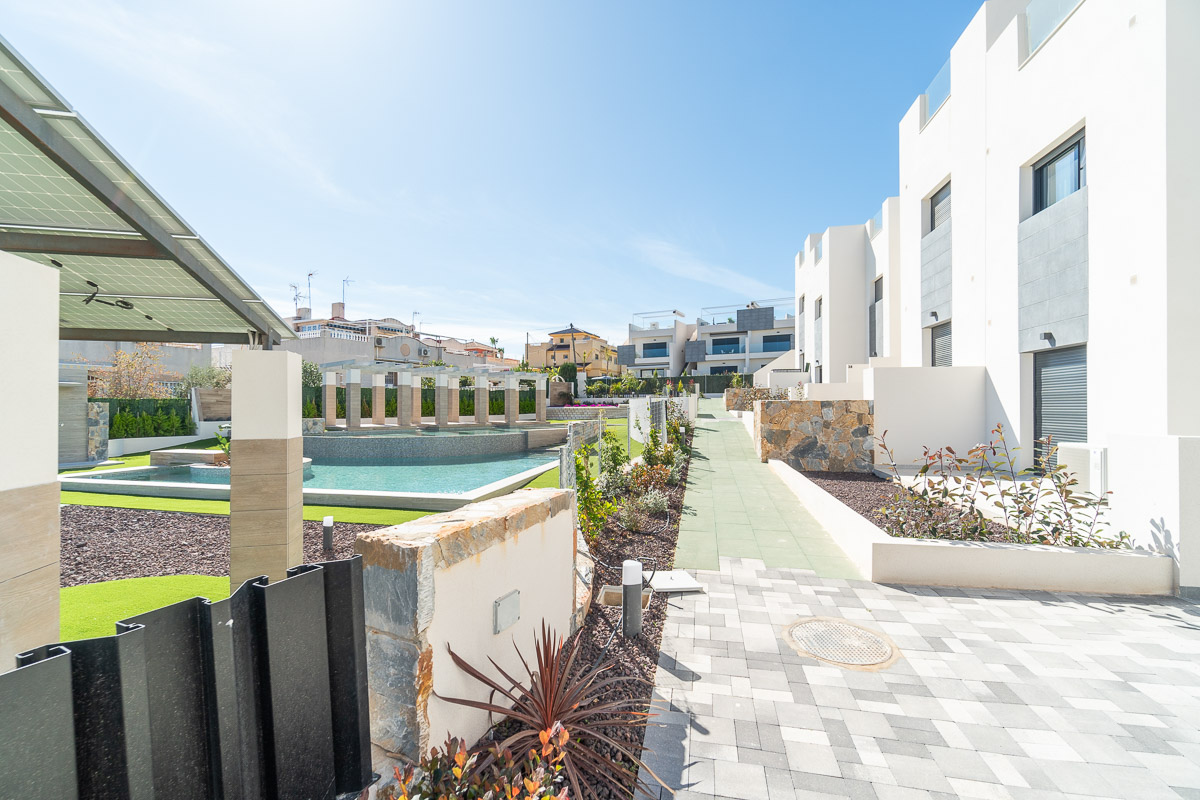
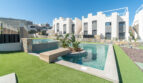
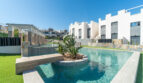
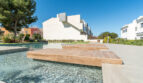
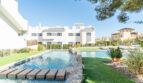
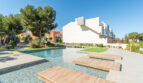
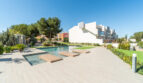
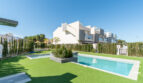
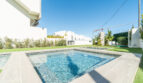
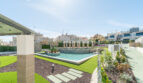
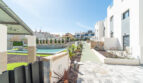
✅ Communal gardens with swimming pool, underground parking included
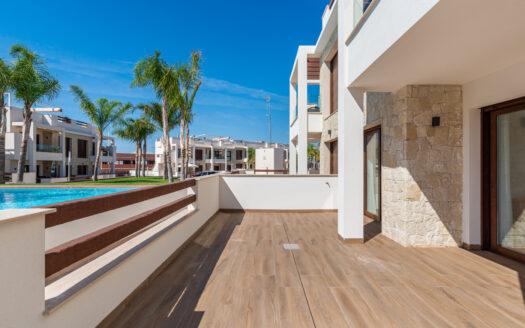
✅ Ground floor units have terraces front & back, upper floors enjoy large private solarium
✅ Homes also come with alarm & internet connected, also sold with a year’s home insurance
Delivery dates vary – see below
PRICES & AVAILABILITY
Phase VII
| Block | Number | Floor | F. Terrace | B. Terrace | Solarium | Price | Delivery |
| 5 | 43B | Ground | 36m2 | 18m2 | – | €340k | Dec 27 |
| 5 | 44B | Ground | 45m2 | 18m2 | – | €330k | Dec 27 |
| 5 | 49A | Upper | 9m2 | – | 74m2 | €380k | Dec 27 |
| 5 | 50A | Upper | 9m2 | – | 74m2 | €350k | Dec 27 |
| 5 | 45B | Ground | 45m2 | 18m2 | – | €330k | Dec 27 |
| 5 | 46B | Ground | 45m2 | 18m2 | – | €330k | Dec 27 |
| 5 | 51A | Ground | 45m2 | 18m2 | – | €370k | Dec 27 |
| 5 | 52A | Upper | 9m2 | – | 74m2 | €350k | Dec 27 |
| 5 | 47B | Upper | 9m2 | – | 74m2 | €330k | Dec 27 |
| 5 | 48B | Ground | 36m2 | 18m2 | €340k | Dec 27 | |
| 5 | 53A | Upper | 9m2 | – | 74m2 | €360k | Dec 27 |
| 5 | 54A | Upper | 9m2 | – | 74m2 | €360k | Dec 27 |
| 6 | 55B | Ground | 36m2 | 13m2 | – | €330k | May 27 |
| 6 | 56B | Ground | SOLD | ||||
| 6 | 59A | Upper | 9m2 | – | 74m2 | €370k | May 27 |
| 6 | 60A | Upper | 9m2 | – | 74m2 | €340k | May 27 |
| 6 | 57B | Ground | SOLD | ||||
| 6 | 58B | Ground | SOLD | ||||
| 6 | 61A | Upper | SOLD | ||||
| 6 | 62A | Upper | 9m2 | – | 74m2 | €350k | May 27 |
THE AREA
Torrevieja is BURSTING with culture, history and fascinating facts – all of which is available elsewhere online. Here’s a brief history of one of Costa Blanca’s main cities.
The Torrevieja Salt Flats date back to before the 13th century and were an ancient royal possession. Until 1802 in Torrevieja there was only an old guard tower (which gives the place its place name) and some salt workers’ houses.
But in 1803, King Charles IV decreed the transfer of the administration of the Reales Salinas from La Mata to the location of the current center of Torrevieja, and the construction of houses was authorized. In 1829, the town was completely destroyed by an earthquake and later rebuilt.
The production and trade of salt determined and organized life here, converted into a city in 1931 by privilege granted by Alfonso XIII. Craft production was limited in the 19th century to the manufacture of linen, hemp and cotton for popular consumption. Although the anchorage made it difficult to load the salt, the port was completed until 1954.
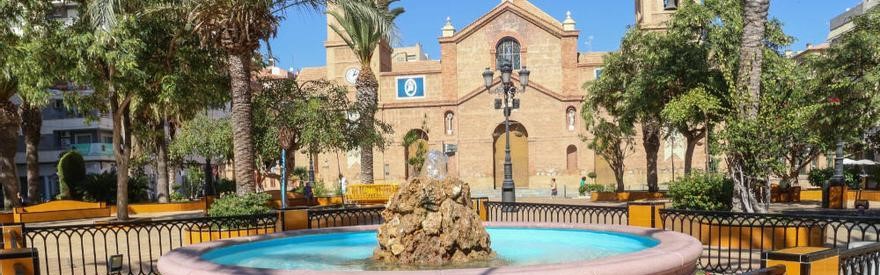
In the mid-19th century, salt extraction was mainly carried out by Swedish and Dutch ships. The national market for this product was mainly Galician and, to a lesser extent, Valencian. The importance of the foreign market for this product has been maintained during the 20th century: a quarter of the salt produced is consumed in Spain and the rest is exported, its salt mines being the most important in Europe.
Modern-day Torrevieja has street festivals almost every month, hosts international sporting events and celebrates local cuisine with Tapas Trails every few months.


Your information
Other Agents